-
OVERVIEWDEVELOPMENT
-
Workflow Composer
From simple LLMs to advanced AI Agents—code, visual, or hybrid.
-
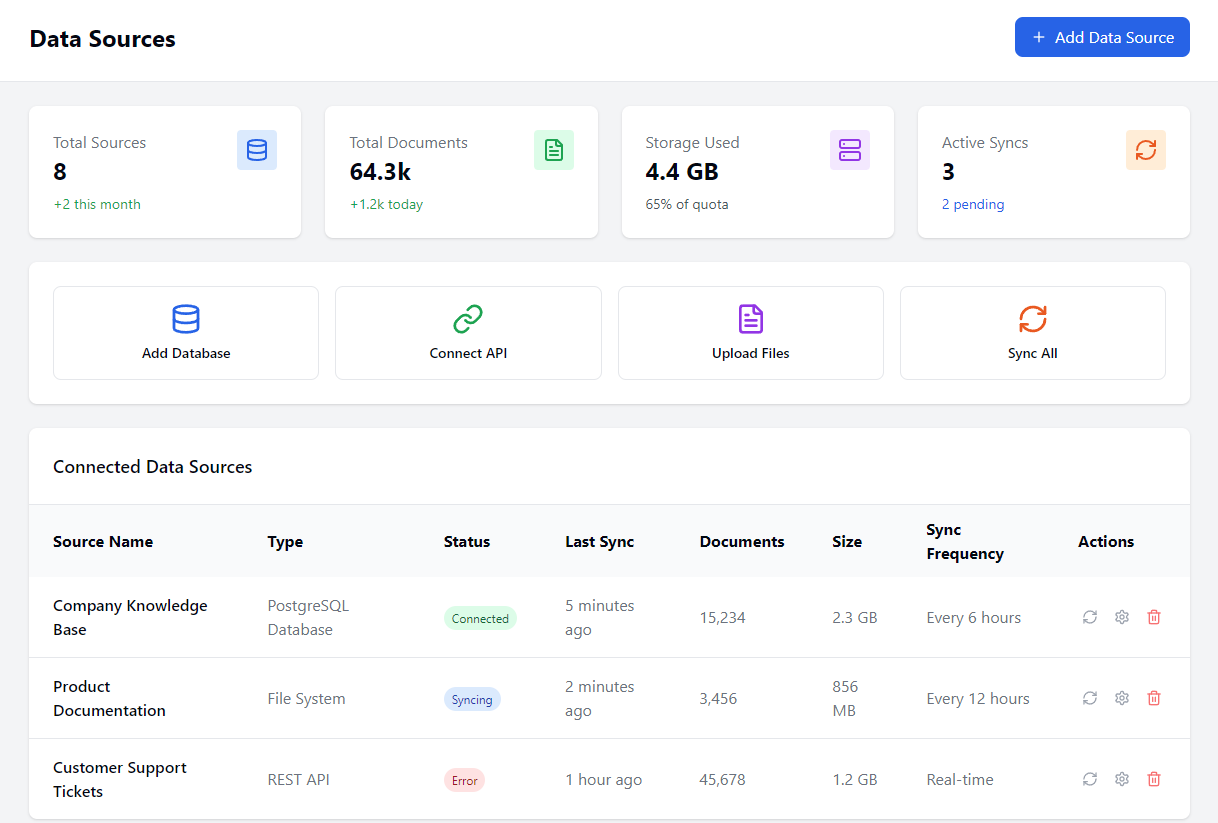
Data Management and RAG
Organized data, seamless retrieval, and intelligent augmentation.
-
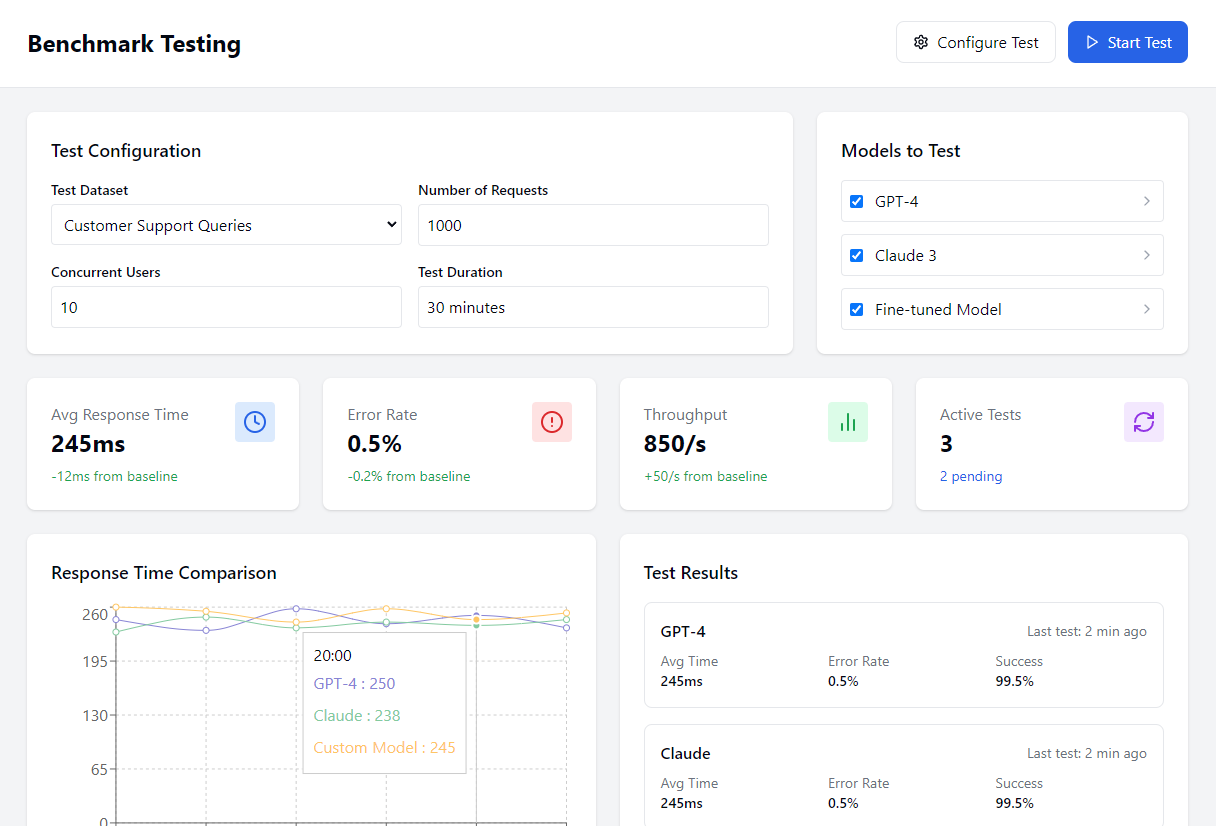
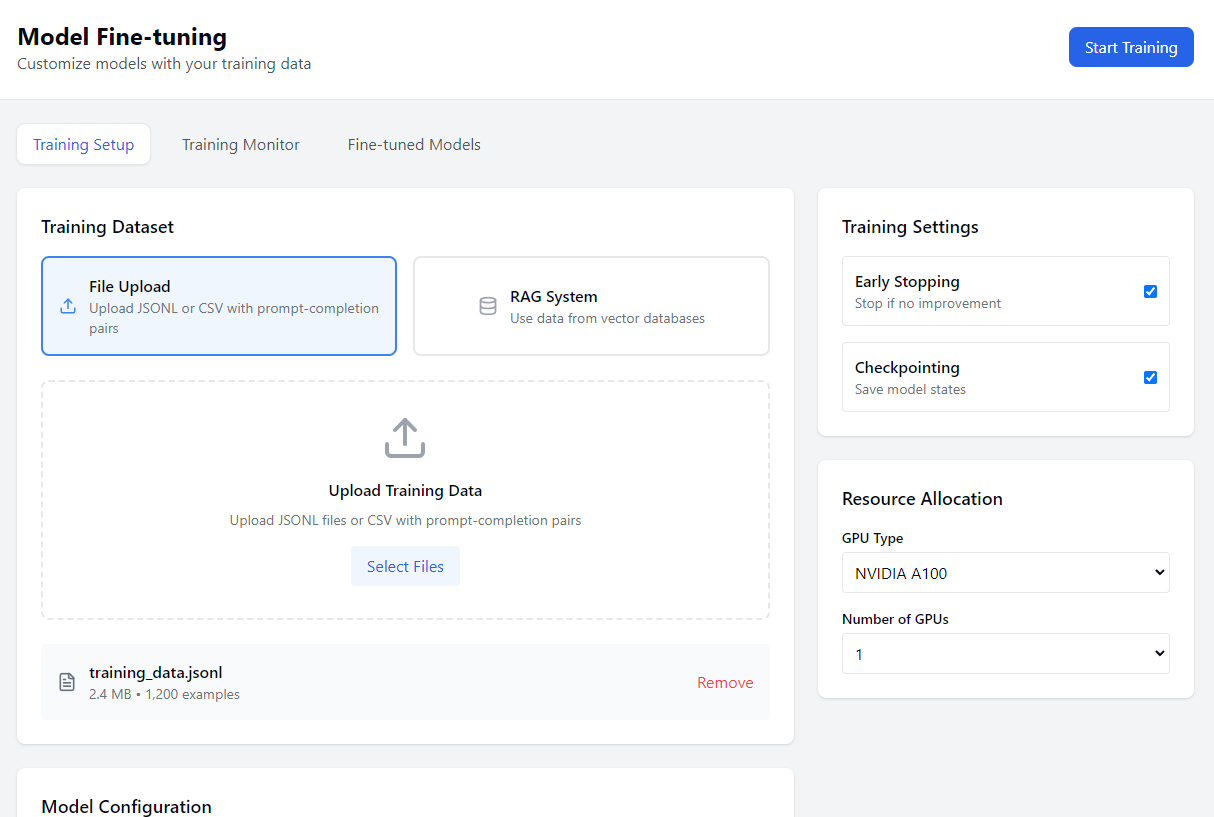
Model and Model Evaluation
Track, fine-tune, and optimize models with built-in monitoring and evaluation.
-
Prompts, Optimization, Generation
Automatic Prompt Engineering with adaptive optimization.
-
Sandbox, Validation, Compliance
Test, validate, and ensure reliability at scale.
OPERATIONS-
Version Control & Registry
Track models, datasets, prompts, and projects—fully versioned.
-
Security & Compliance
RBAC, Conformance to Compliance Standards and privacy-first approach.
-
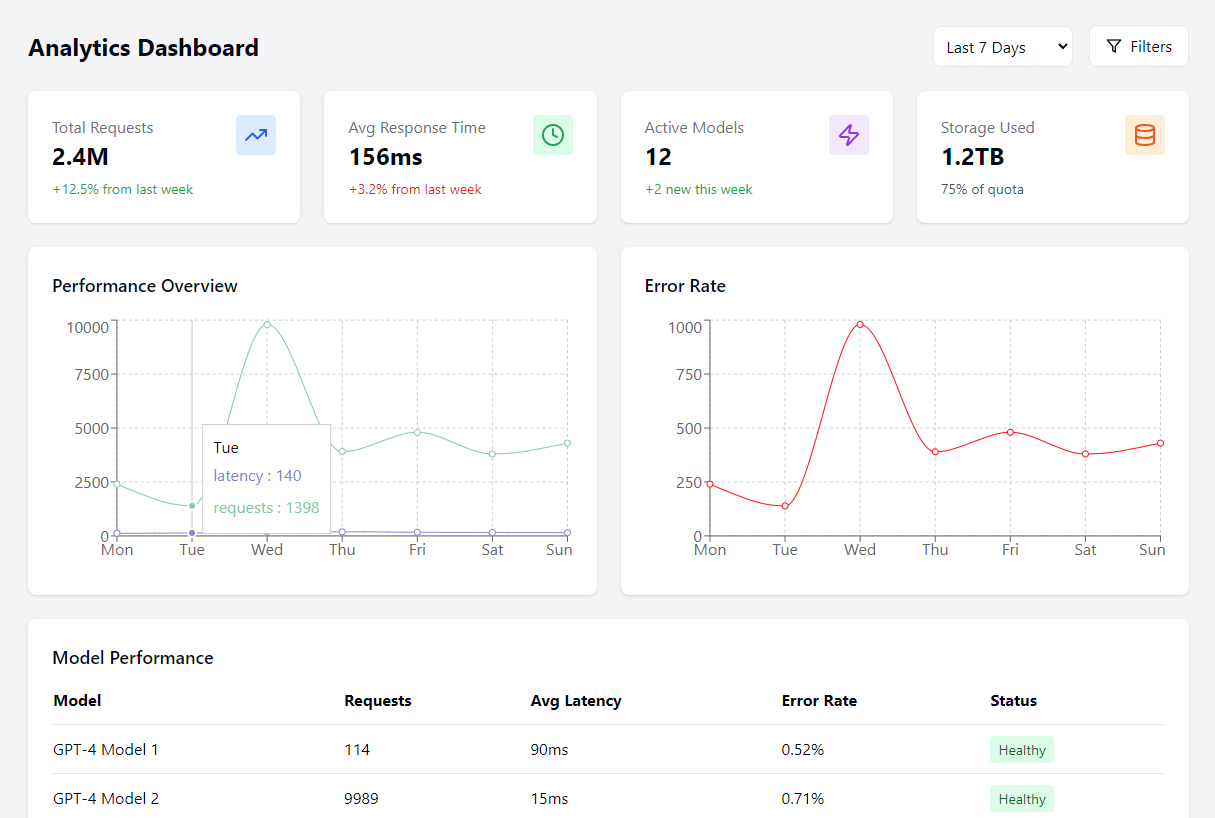
Production Monitoring and Alerting
Real-time monitoring, automated scaling, with human-in-the-loop option.
-
Deployment Options
Single-tenant, multi-tenant, or on-prem—with rollback support.
-
Integration
API-ready, MLOps-compatible, and Responsible AI-friendly.
-
Workflow Composer
-
CONTENT GENERATION
-
Marketing Campaigns
Generate persuasive and targeted content for advertisements and other marketing material.
-
Social Media Posts
Develop concise, impactful posts tailored to various platforms.
-
Writing Documentation
Produce technical documentation for products, support knowledge management, and document best practices.
-
Sales Material
Craft sales presentations, brochures, and pitches.
-
Scenario Simulation and Planning
Simulates scenarios to predict outcomes and recommend courses of action.
DATA TRANSFORMATION-
Data Cleaning
Ensure data integrity by resolving inconsistencies, errors, and deduplication.
-
Format Conversion
Transform data between different formats (XML, JSON, CSV, etc.) to meet customer needs and system requirements.
-
Summarization and Aggregation
Condense extensive data into concise summaries for quick comprehension.
-
Automatic Code Generation
Generate efficient, well-structured, and documented code based on user requirements.
CHATBOTDATA EXTRACTION-
Key Information Extraction
Identify and isolate critical details from data.
-
Entity Recognition
Detect and classify entities like names, dates, or locations from text.
-
Log Parsing
Process and analyze system logs to identify patterns, errors, or anomalies.
-
Survey Analysis
Analyze survey responses to uncover trends, sentiments, and actionable insights.
-
Information Gathering and Reporting
Collect, organize, and present data in a structured format.
-
Automated Research Assistant
Support the retrieval, analysis, and synthesis of data.
AGENTIC WORKFLOW-
Automated Meeting Scheduling
Coordinate and schedule meetings based on participants’ availability.
-
Automated Form-filler
Prepopulate forms using available data.
-
Incident Management
Streamline incident response workflows by automating detection, alerts, and resolution steps.
-
Automated Workflow Orchestration
Manage and synchronize multiple processes and tasks dynamically without manual intervention.
-
Dynamic Decision-Making
Implement systems capable of evaluating data and making real-time decisions based on changing conditions.
-
Continuous Monitoring and Adaptation
Monitor ongoing activities and make adjustments as needed.
-
Autonomous Resource Management
Dynamically allocates and optimizes resources based on demand or budget.
-
Notification System
Deliver timely alerts and updates based on predefined triggers or real-time events.
-
Task Prioritization
Automatically rank tasks by urgency, availability, and team expertise to optimize workflow efficiency.
-
Policy Enforcement and Compliance
Ensure workflows adhere to organizational or regulatory policies through automated monitoring.
-
Learning and Optimization
Continuously self-improve systems or processes by analyzing feedback and historical data.
-
Personalized Recommendations
Offer tailored suggestions to users based on their preferences, behaviors, and needs.
-
Marketing Campaigns
-
PLANS & PRICINGGET STARTED
-
API DOCUMENTATIONAPI USE CASES & EXAMPLES
-